
Jordan is more than just safe. Jordan is a traveler’s home away from home. Crowned “the Middle East’s most easygoing country” by CNN, Jordan is as world-renowned for its hospitality as for its ancient ruins. Whether you are exploring the desert on camelback, luxuriating at a Dead Sea spa, or simply enjoying the country’s culture and cuisine, Jordanians will be eager to make you feel like family.
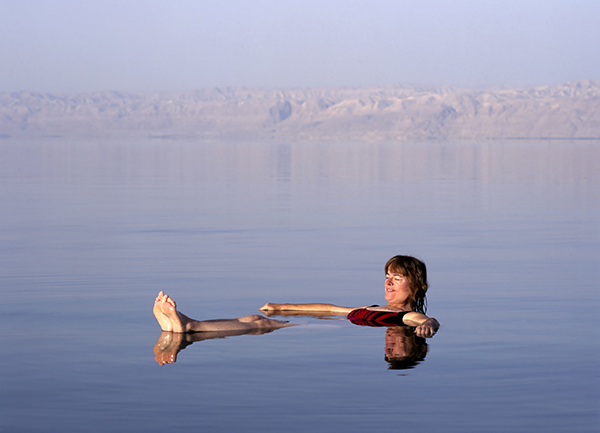
Back in October, just weeks after Hamas attacked Israel, the Jordan Tourism Board shared videos of tourists in destination. A British traveler commented, “Everyone’s been super friendly… the Dead Sea didn’t feel unsafe, it was calm.” The managing director of the board stated, “We understand that tensions around the world can raise concerns, but we believe in the power of travel to foster understanding and build bridges between nations. As always, the Jordan Tourism Board is here to assist and support tourists in making the most of their visit.”
Despite these assurances, flight bookings to all regions of the world slumped in the aftermath of October 7th. Countries neighboring Israel and highly dependent on tourism, such as Egypt and Jordan, were the worst affected.
In December, a Cairo-based travel consultant told the New York Times, “We foresaw the Middle East evolving into the ‘New Europe’ with the Iran-Saudi Arabia rapprochement and Saudi Arabia’s integration into the tourism system. We all hope that this war does not escalate and shatter the hopes that people — Arabs, Israelis and Iranians alike — have been holding onto.”
Their hopes are not unfounded. The U.N. reported that the number of visitor arrivals to the Middle East from January to July 2023 was up 20% compared to the same period in 2019, making the Middle East the only region in the world to surpass pre-pandemic levels of tourism.
A tour guide in Jordan once told The Guardian, “Since the 1980s, tourism has changed life here. Before, there was no school, no TV, and women had to ask permission to leave the house. Now they go to university.” Tourism contributes between 12 and 26% of total earnings from abroad in Jordan, Egypt and Lebanon. In comparison, tourism in Israel contributes just 3% of total earnings from abroad.
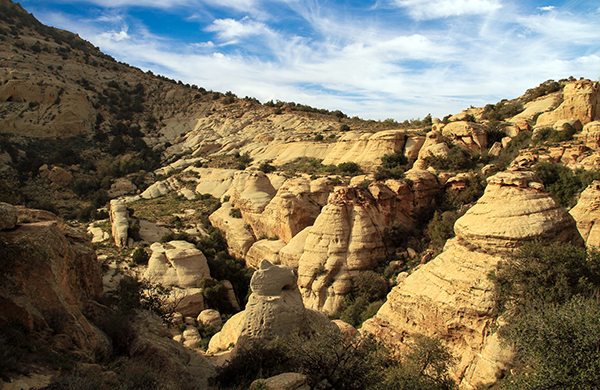
“They were always hoping to find a raw material that would change Jordan’s fate. Feynan and Dana were almost lost to mining. But the minerals would have soon run out. Eco-tourism is more valuable,” said a former director of Wild Jordan, an offshoot of the RSCN (Royal Society for the Conservation of Nature) responsible for eco-tourism and socio-economic projects that support the rural communities.
“Jordan is a massively underrated destination for family travel, especially for more adventurous and outdoorsy groups. The country has no shortage of open spaces to run, hike, or cycle, alongside fully accessible ancient ruins to explore. As a bonus, Arab tradition usually calls for big families and lots of dedicated family time, so there’s no lack of activities for children of all ages. People are accustomed to dealing with kids and are often very friendly, so don’t be surprised if someone offers your child a sweet or a trinket,” wrote Jordanian Sanad Tabbaa for Lonely Planet.
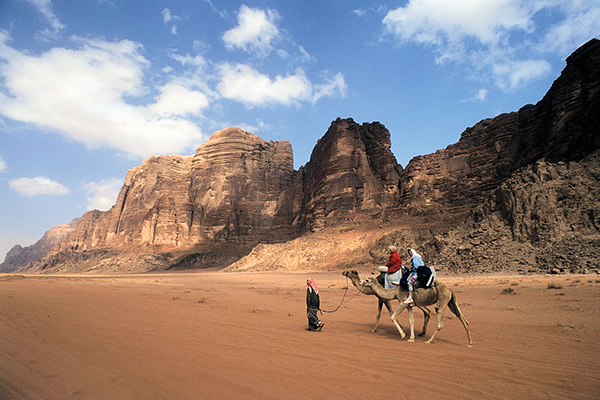
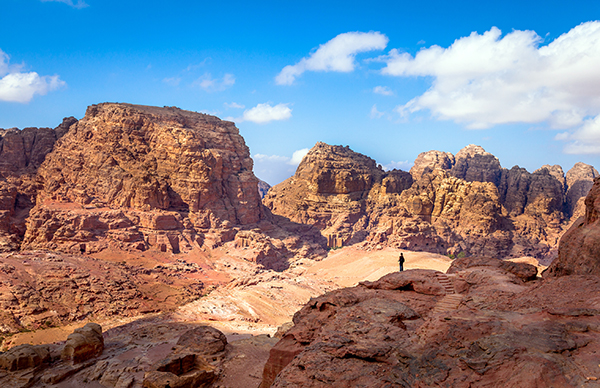
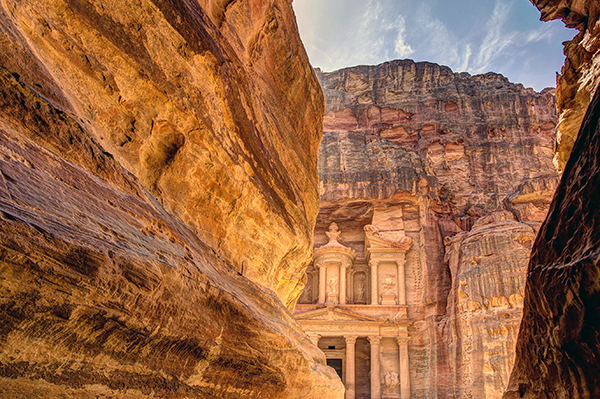
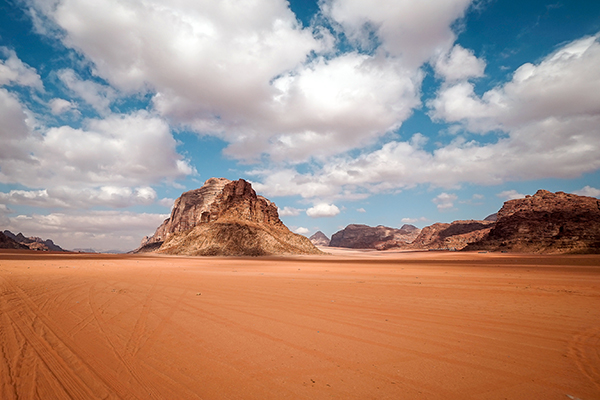
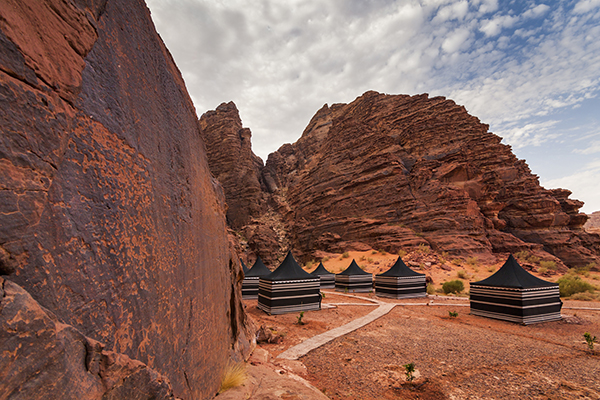
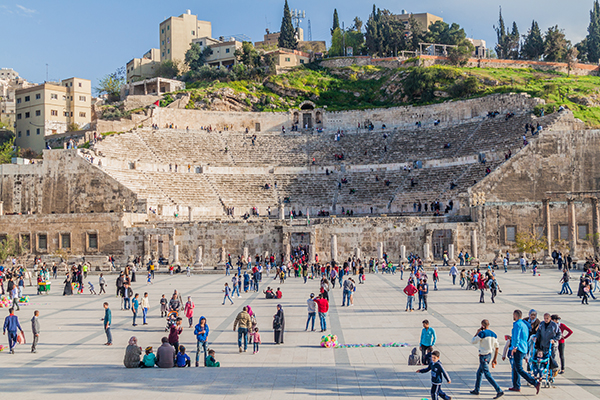
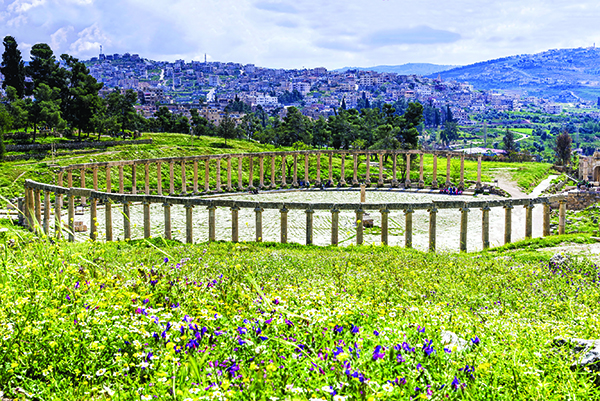
Adventure tourism, wellness tourism, eco-tourism – oh my! Whatever kind of tourist you are, you are welcome and wanted in Jordan. Highlights of the country include the Lost City of Petra, “Rome’s Foothold into the Silk Road” and one of the Seven Wonders of the World; Wadi Rum or Valley of the Moon, a favorite of Hollywood location scouts (Lawrence of Arabia, Star Wars, Prometheus, The Martian); some of the oldest and most well-preserved Roman ruins in the world at Jerash, the Pompeii of the Middle East; the Ma’in Hot Springs, naturally heated by lava stone and less frequented than Jordan’s Dead Sea resorts; the largest Palestinian diaspora in the world, most with full citizenship; ten nature reserves and a number of impressive eco-lodges. Ya’lla!
Browse our published Jordan tours or contact us to create a custom program.


Leave a Reply