
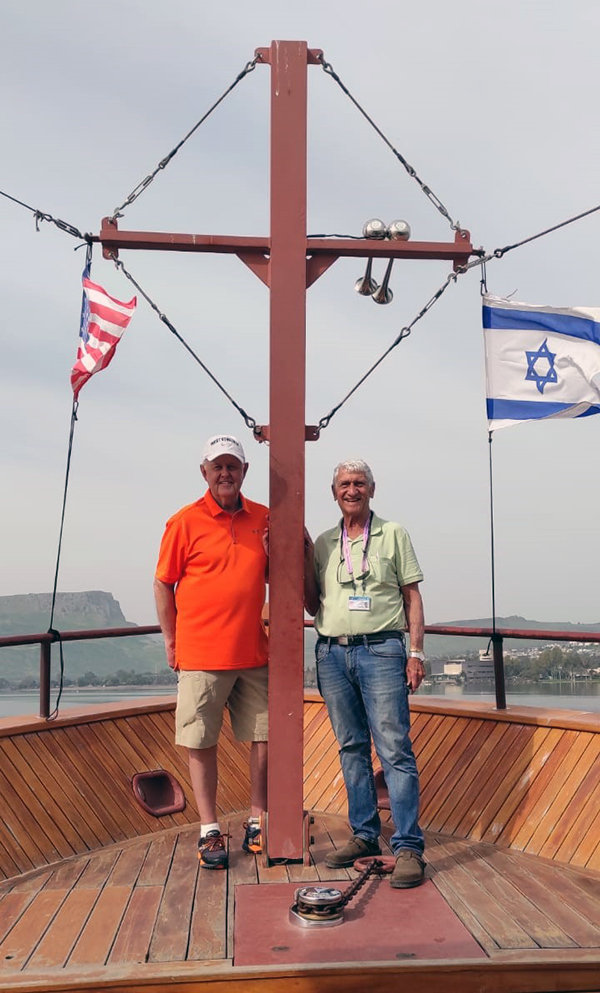
The idea that tourism in Israel is totally dead “is completely wrong,” says Israel’s Minister of Foreign Affairs, Mr. Israel Katz, and Americans are leading the way in restoring the presence of the international community in the Bible Land.

BACK BY POPULAR DEMAND
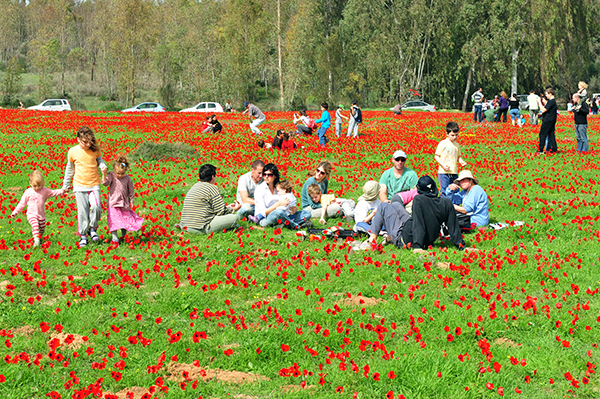
Last week, there was an unremarkable municipal election in Israel. Almost four million Israelis went to the polls to cast their votes for ordinary, local politicians. Earlier in the month, the great success of Israel’s annual Dead Sea Marathon had already proven that a return to normalcy regarding the country’s time-honored events is imminent. Universities, museums, shopping centers and tourist attractions have resumed normal operations, and over two-thirds of the military reservists have been released and reunited with their families.
Most European airlines have already resumed service to Israel, but now U.S. airlines are following suit. United Airlines conducted a detailed safety analysis with security experts and government officials in the United States and Israel. CEO Scott Kirby said, “Last year I indicated we’d be the first U.S. airline to resume flying to Israel and that time has come.”
“All legacy carriers have indicated an interest in resuming service… They seem aware that there is strong demand for nonstop flights despite the current situation,” said Chad Martin, the Israel Ministry of Tourism’s director of the U.S. Northeast region. “These groups are sprouting out of the ground. It’s grassroots. Largely it’s from those bases of people that have been to Israel. And they are wanting to show support and volunteering.”
Indeed, the number of tourists in Israel has been rising steadily in the months since the attack by Hamas on October 7th, up to 2,500-3,000 tourists per day. President of Ya’lla Tours, Ronen Paldi, says that his company has clients traveling to Israel as early as May, following Passover. Paldi himself lives in Tel Aviv and has remained there throughout the war.
“The best way to support Israel is to visit Israel. The safety of tourists is our top priority,” said Haim Katz, Israel’s Minister of Tourism.
TRAVELING IN SOLIDARITY
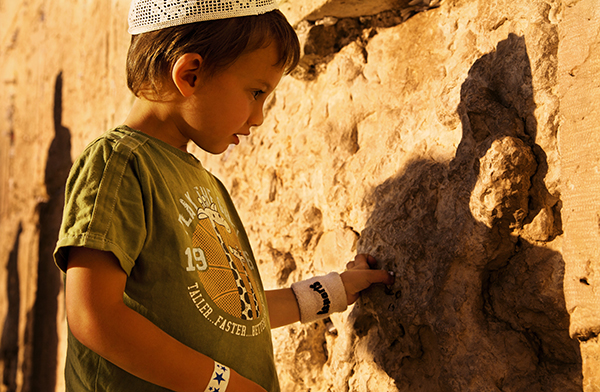
Traditionally, more than one-third of all tourists to Israel are American. Understandably, many American Jewish communities were among the first groups to travel to Israel in the aftermath of tragedy. “The Israelis were effusive in their appreciation. We heard this a lot, ‘Without the United States and the American Jews, we’re not sure where we’d be today.’ I encourage every Jew in America to go to Israel and show your support because it means a lot to them,” said Jordy Levy of the Greater Miami Jewish Federation.
“One soldier I met, originally from Iran and dusty from his time in Gaza, was eager to know how American Jews were holding up in the face of rising antisemitism. In Israel, people feel they are in this fight together, so the idea of being a Jew with neighbors who have turned on you frightens them,” recounted Alison Leigh Cowan, a former New York Times journalist, to the independent Jewish publication, Forward.
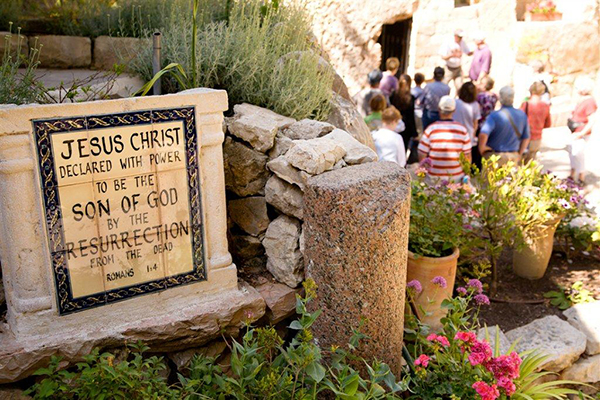
In addition to Jewish groups, the Jerusalem Post reported that the number of Evangelical tour groups on solidarity missions in Israel has surged since December. More than one-half of all tourists to Israel are Christian. Christians for Israel, a Dutch-based group, organized one of the first delegations to Israel following October 7th. One of the delegation’s activities involved planting tulips, the Dutch’s national flower, in Sderot.
“The massacre that was perpetrated on us on October 7th brought us back to dark days, days in which we rediscovered the resilience of the people living in Zion,” said Minister of Tourism Haim Katz while visiting the United States. “The support and messages of solidarity from the Christian community were a great light for us in the darkness.”
Many Christian delegations visiting Israel already have established relationships with Israeli communities near Gaza, to which Christian organizations have been donating for years because Hamas has targeted those communities with rocket fire since 2001.
“[The events of October 7th] have dwarfed the issues we had before, and really deepened the Christian world’s attachment to Israel,” said David Parsons, who was born in North Carolina but has been living in Israel for 30 years with his wife and son.
PRAYERFUL ANTICIPATION
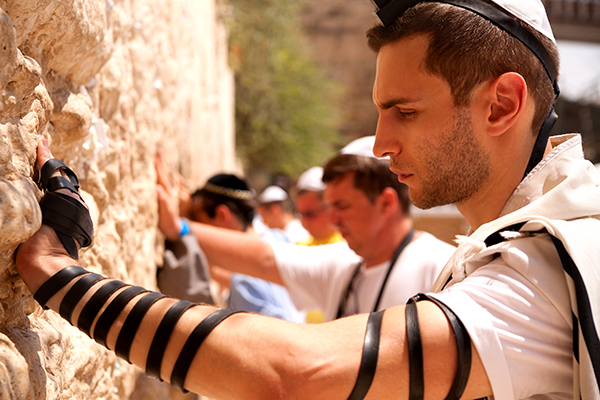
One doesn’t have to volunteer, or be a member of a religious group, to experience Israel “in solidarity.” All peaceful travel to Israel is in solidarity, as it directly supports the Israeli people and affirms the sanctity of their land and history.
“While some tourists postponed their vacations because of the war, many did not cancel their reservations and are waiting for the right time to travel. Israel has much to offer as a tourism destination and we are looking forward to once again welcoming tourists to our country,” said Katz back in January. But perhaps Eyal Carlin, the Israel Ministry of Tourism’s commissioner to North America, said it best:
“Since the morning of October 7th, it’s as if we’ve all held our breath in prayerful anticipation. Every day since, we have been still prayerful for the hostages return and hopeful for peaceful times again. Simultaneously, we know we need to begin the process of restoring hope, boosting morale, and returning to the events of daily living. These events offer a place of hope that will bring people together for a common purpose—to honor those lost, by living today.”


Leave a Reply