
Most of the Christian sites in Turkey are located in Anatolia, in what is today the Asian part of Turkey. The apostle Paul traveled there extensively during his missionary journeys establishing some of the earliest Christian communities and he wrote many of his epistles to communities in Anatolia.
Here below are some of the Christian sites in Turkey typically included in a pilgrimage in the footsteps of Paul and the early Church.
ANTIOCH
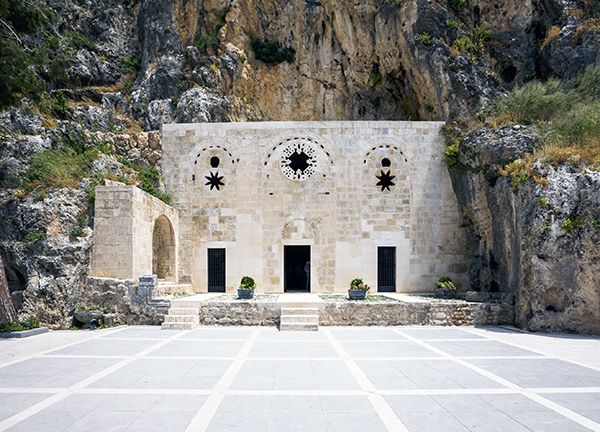
Antioch on the Orontes was an important Hellenistic and Roman city where Paul was based during his missionary journeys. The apostle Peter also spent time in the city and became the first Bishop of Antioch. According to tradition, followers of Christ were first called Christians in Antioch. Antakya is the modern Turkish city on the site.
St Peter’s church in Antioch is built around a cave that might be where Peter preached to the city’s first Christians within a decade of the crucifixion and resurrection of Jesus. Behind the 19th-century facade, the oldest surviving parts of the church date to 4th century.
TARSUS
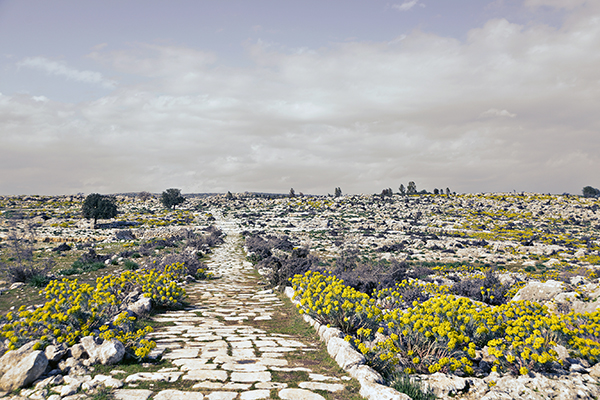
Paul the apostle (Saul of Tarsus) was born in Tarsus.
Paul may well have walked this Roman road outside of Tarsus.
ST. THECLA CHURCH
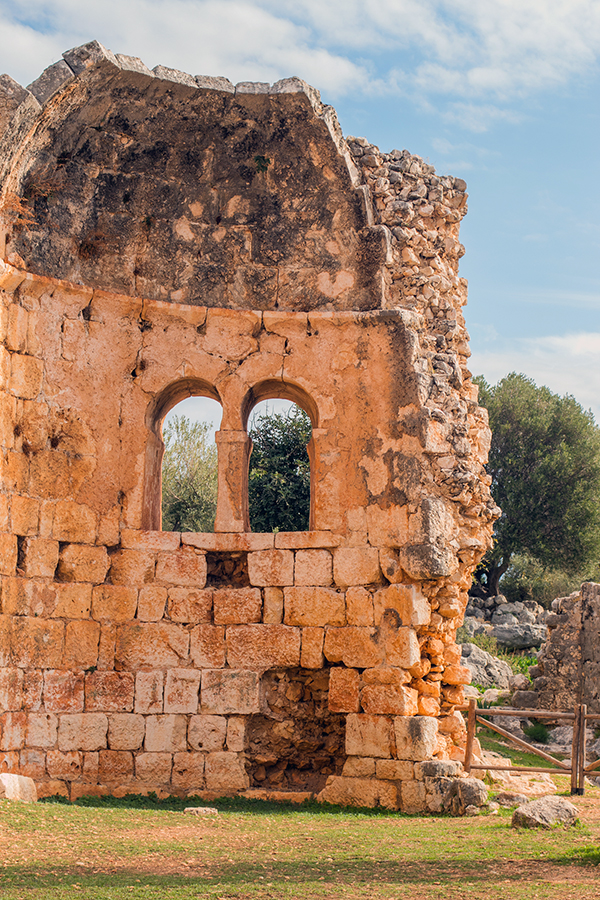
The ruin of the 5th-century St. Thecla Church (Aya Tekla) stands on a hilltop near the town of Silifke (ancient Seleucia). Thecla was a follower of Paul.
An earlier church is built into a cave down the hill, where Thecla lived in hiding from religious persecution, according to tradition.
PERGE
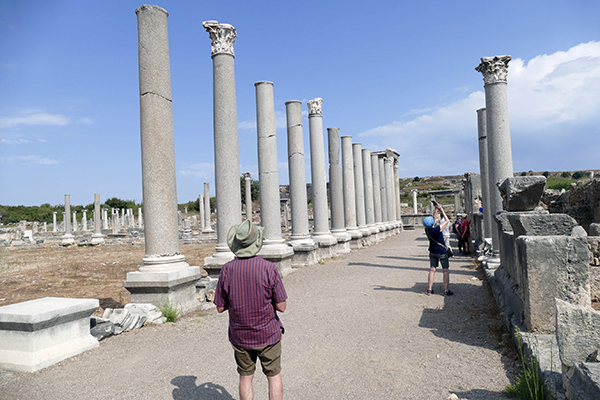
Paul preached at Perge, an important Roman city in southwestern Anatolia.
HIERAPOLIS
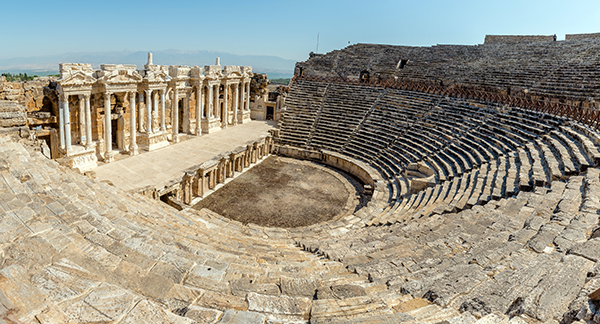
The ancient city of Hierapolis (modern Pamukkale) was home to a first-century Christian community,
probably influenced by Paul’s visits to the nearby city of Colossae.
According to some traditions, the apostle Philip lived in Hierapolis and was martyred there in 80 AD.
LAODICEA
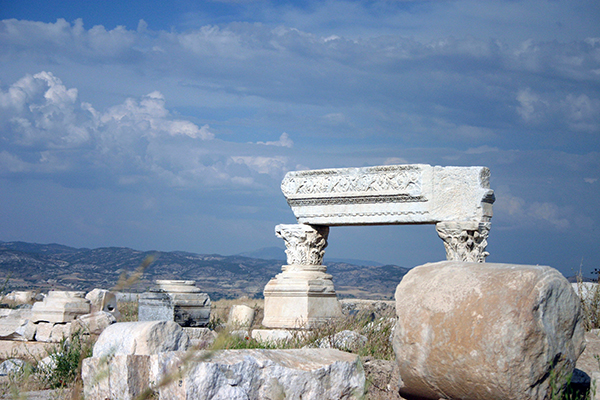
Laodicea was one of the Seven Churches of Asia, also known as the Seven Churches of the Apocalypse, in
the Book of Revelation (Asia = modern Anatolia, Turkey).
EPHESUS
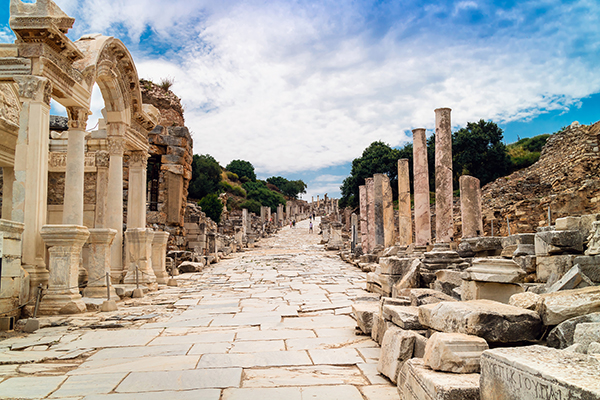
Ephesus was a major Greek and Roman port and one of the Seven Churches of Asia.
The apostles Paul and John preached there and, according to tradition,
Mary the mother of Jesus spent her final years in Ephesus.
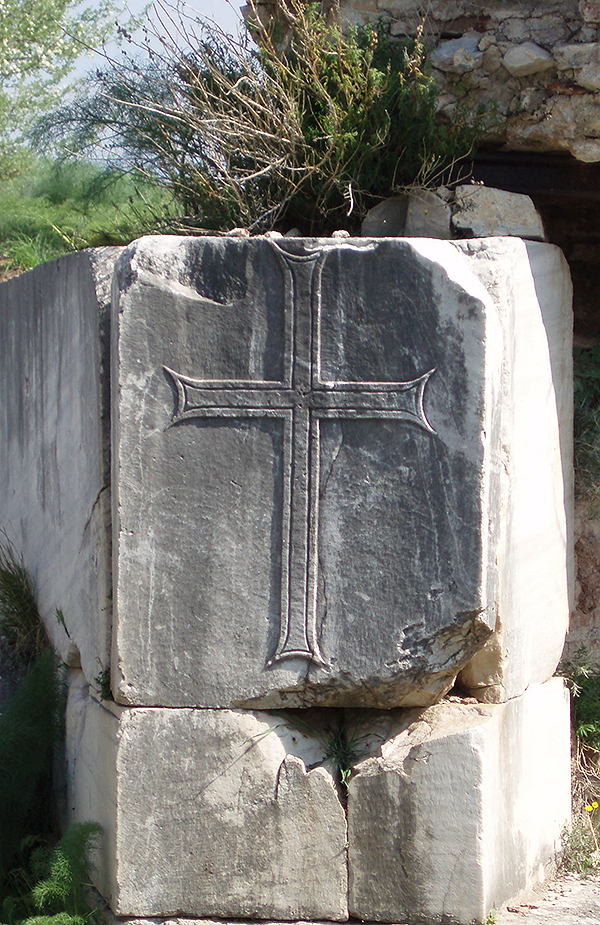
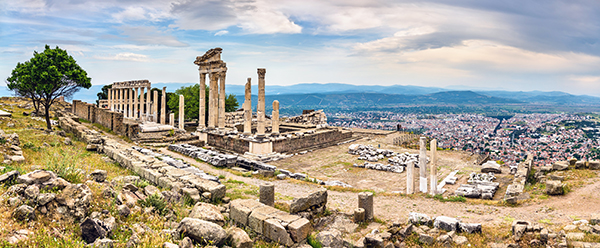
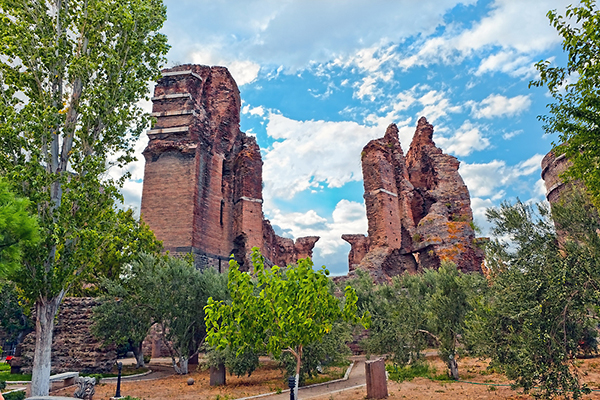
PERGAMUM
The Greek and Roman city of Pergamum was home to one of the Seven Churches of Asia.
ISTANBUL
Early in the 4th century, the Roman Emperor Constantine declared Christianity the official
religion of the empire. Then he claimed the ancient Greek city of Byzantium as his capital and
renamed it Constantinople. After the fall of Rome, the eastern Roman empire carried on for
another 1,000 years, known as the Byzantine Empire. In the 15th century, Constantinople fell
to the Ottoman Turks and became Istanbul. For a thousand years, Istanbul was the official center of
Christianity and the city still boasts some spectacular remains from that period.
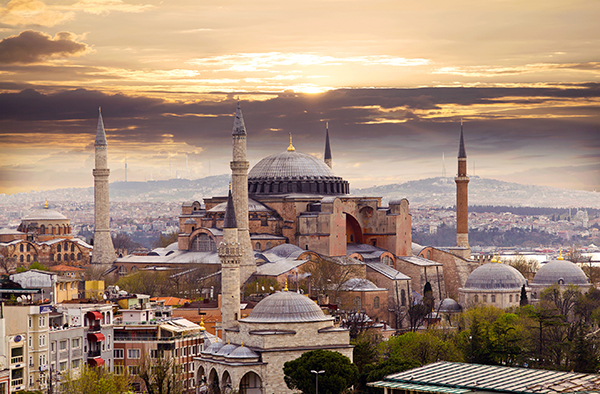
The Byzantine Emperor Justinian built Hagia Sophia in the 6th century and it was the largest church in
the world for 1,000 years. The church was converted to a mosque in the 15th century but
Christian mosaics and frescos were preserved.
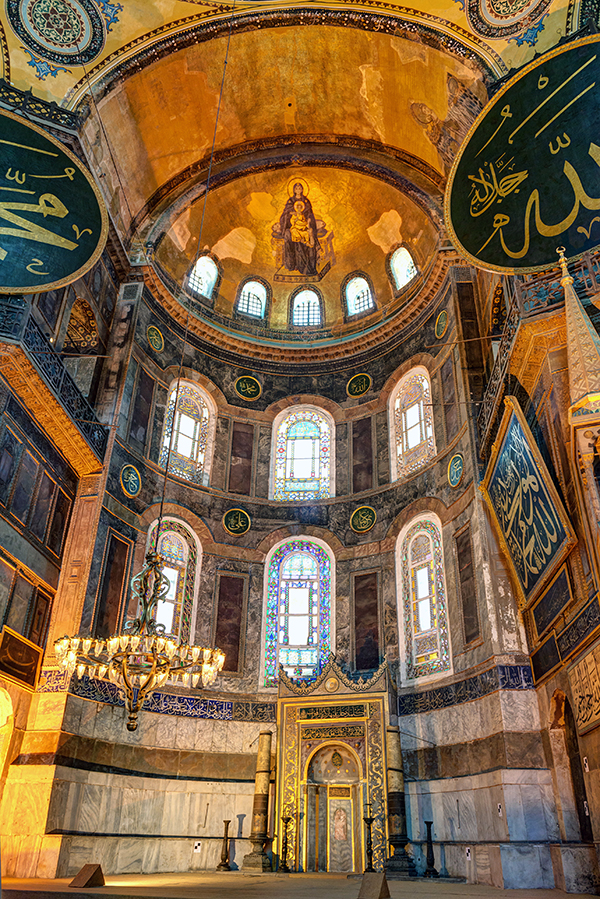
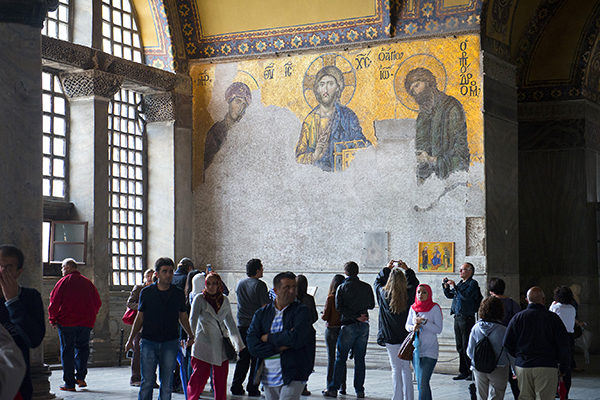
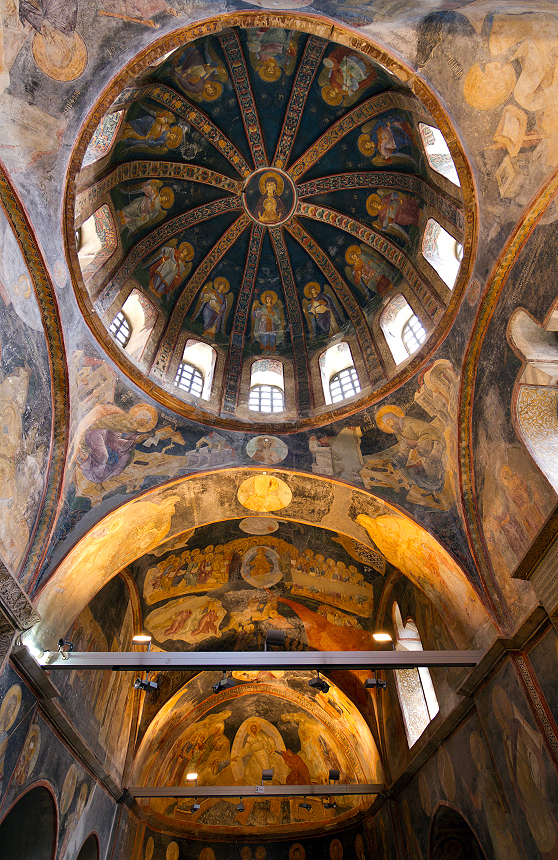
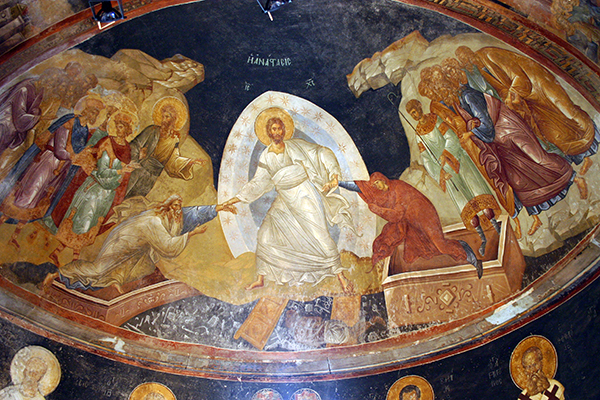
Vivid frescos and mosaics cover the interior of the Byzantine church St. Savior in Chora (now Chora Mosque) in Istanbul.
CAPPADOCIA
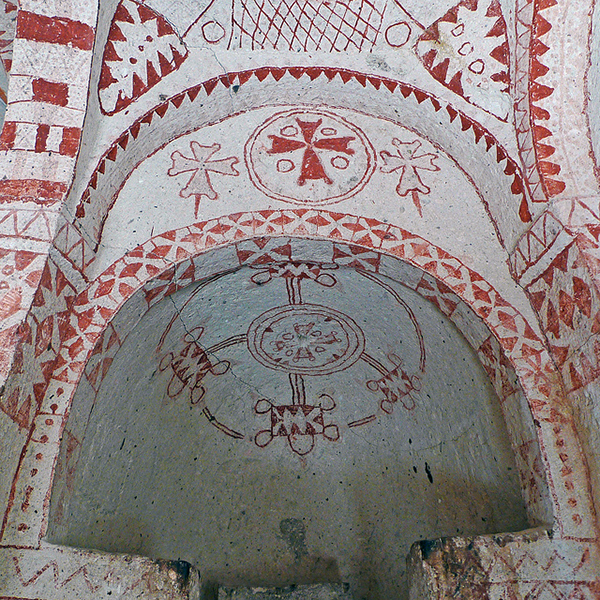
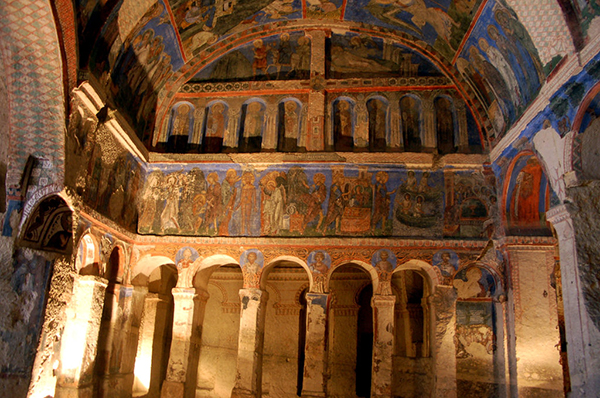
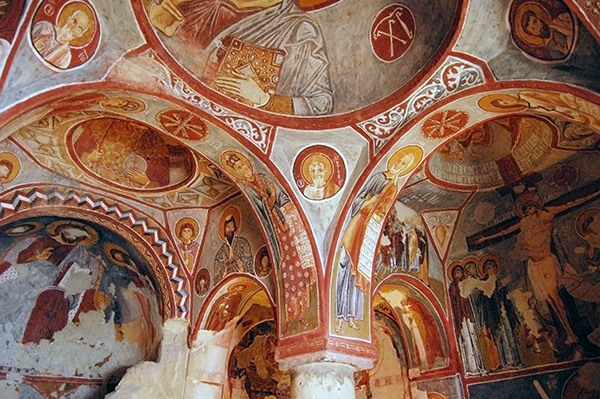
Soft volcanic material known as tuff covers the Cappadocia region in central Anatolia and allowed
inhabitants to carve all manner of dwellings and shelters, including churches right into the rock.
Check out our published Turkey pilgrimage program here to visit these Christian sites in Turkey.
Contact us for custom programs and pricing.


Leave a Reply