
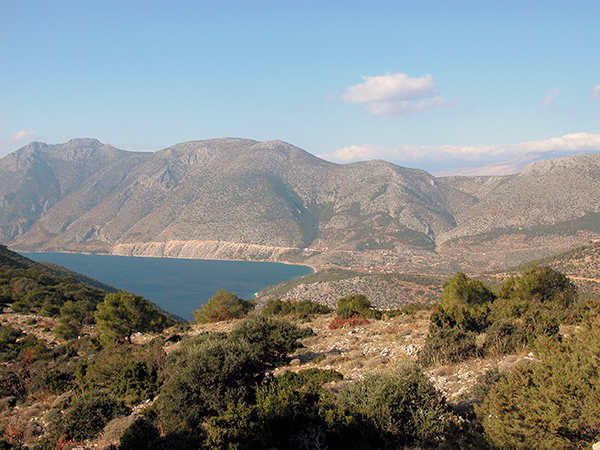
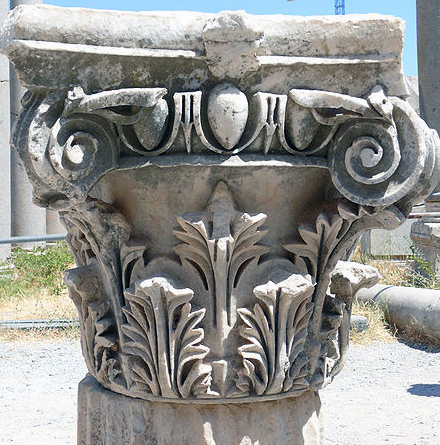
A visit to Corinth can be added to any of our Greece tours. Remains of the ancient city lie about an hour’s drive west of Athens on the isthmus connecting the Peloponnese Peninsula to mainland Greece. Major development of the city began in the 8th century BCE. With ports on the Corinthian Gulf and the Saronic Gulf, Corinth became wealthy and powerful, and gained a reputation for decadence. The ornate Corinthian Order (column) reflects the city’s extravagance at its peak.
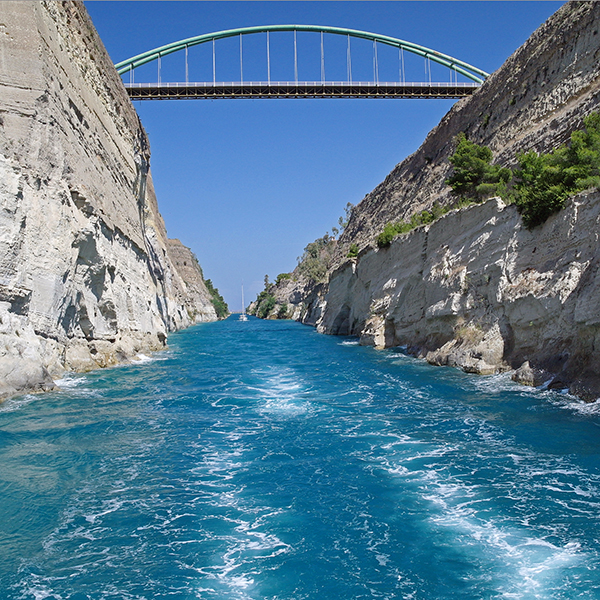
Ancient attempts to dig a canal across the isthmus were unsuccessful. In the 7th-century BCE, a paved ramp was built so ships could be moved overland, to avoid sailing around the Peloponnese. In the late 19th century the canal was finally built, but at only 70 feet across, it’s too narrow for most modern seafaring traffic.
Many visitors to Corinth are interested in its biblical significance. Paul the Evangelist established a church there and visited several times. Two of his letters to the congregation in Corinth are part of the Christian Bible – 1st & 2nd Corinthians.
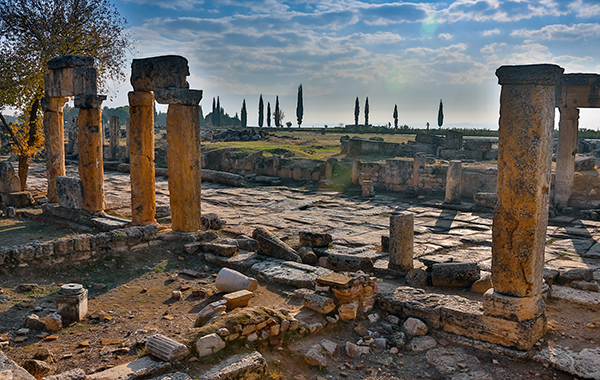
Among the ruins at ancient Corinth are a 6th-century BCE Temple of Apollo, one of the oldest surviving Greek temples, a Roman Temple of Octavia, the Roman agora, and the Bema, a public square where Paul was judged after some of the locals complained about his preaching.


Leave a Reply