
This article is dedicated to the thousands of victims of the earthquake in the High Atlas Mountains of Morocco on September 8, 2023.
On the south side of the Strait of Gibraltar, bordering both the bustling Mediterranean Sea and the vast Atlantic Ocean, is the westernmost region of the Islamic world: a colorful, coastal “kingdom of kingdoms” called Morocco.
Home to the oldest university in the world still operating, the largest desert oasis in the world, and much more, ‘Morocco’ derives from the indigenous Amazigh (Berber) name for its former capital, Marrakech: ‘Amur kush’ or ‘Land of God.’
Marrakech, Morocco’s most popular tourist destination, is sometimes called the Red City due to the vibrant clay that forms its famous outer walls and many buildings in the old city district. It boasts a World Heritage site over a millennium old: a lively medina surrounded by “North Africa’s Jewel,” the snow-capped Atlas Mountains. The mountain range separates Morocco’s milder coastal regions from the arid Sahara and is populated by endangered species such as Barbary macaques, as well as nomadic Berbers who can trace their history in North Africa back to at least 10,000 BC.
In light of the rare and devastating earthquake last month that killed nearly three thousand villagers in the High Atlas Mountains and reduced parts of Marrakech to rubble, Morocco is once again safe for travel. Still, it is critical as ever to advocate for the preservation of the Arab world’s ancient ‘Kingdom of the West.’ Morocco should be in our thoughts and prayers in addition to being on our bucket lists. (You may donate to the UNICEF fund for children and families displaced by the earthquake in Morocco here.)
Next year, Morocco – the first country in the world to recognize American independence – will celebrate its own 80th Independence Manifesto Day. The holiday is in remembrance of January 1944, when a group of nationalists convened in Rabat to found Morocco’s oldest active political party, the Istiqlal (Independence) Party, and to formally demand a democratic constitution. The French colonial administration, initially loyal to the Vichy regime, had “sought to drive a wedge between Morocco’s different ethnicities1”, and brutally retaliated – inspiring even more active resistance.
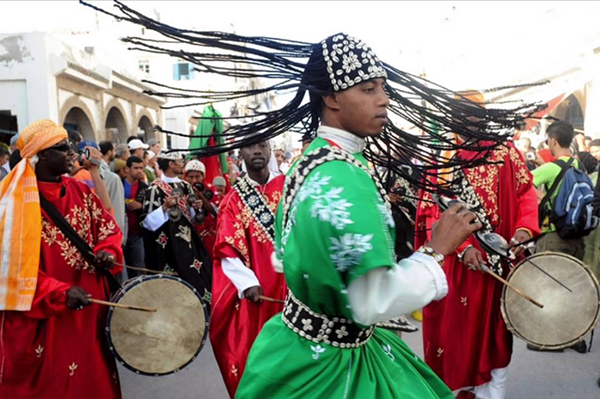
Modern Morocco, though it is a monarchy, continues to pursue progressive reform, for example the historic constitutional referendum ratified during the First Arab Spring. Just as a profound and widespread tolerance of other religions does not diminish the Moroccan people’s devout faith in Islam, the gradual modernization of Morocco’s imperial cities does not diminish this ancient civilization’s storied charm – preserved in world-renowned cuisine, stunning Islamic architecture, and diverse tribal traditions.
In addition to celebrating 80 years since Morocco’s Independence Manifesto, Marrakech will host several international events in 2024, including its annual film festival, a popular arts festival featuring artists from all across Europe, a much-anticipated EDM festival overlooking the Atlas Mountains, a marathon, and the sold-out tech event, GITEX Africa. Ya’lla!
1 Rahhou, J. (2022, January 11). Morocco’s Independence Proclamation: A Day To Remember. Retrieved from Morocco World News: https://www.moroccoworldnews.com/2022/01/346468/moroccos-independence- proclamation-a-day-to-remember


Leave a Reply