
What to Eat (and What to Avoid) – Morocco Edition
Guest post by Paige Ellsworth of Away Clinic, which provides pre-travel consultations and vaccinations, AwayClinic.com
You land in the home of the Sahara Desert, what’s next? Food. Morocco is known for their rich cuisines, so it would be a shame to not get the full experience.
However, it is important to be aware of some food-borne illnesses you could be exposed to. Typhoid, cholera, hepatitis A, and more can be present in foods outside the United States.
There are some ways to decrease your risk of food-borne illness listed below:
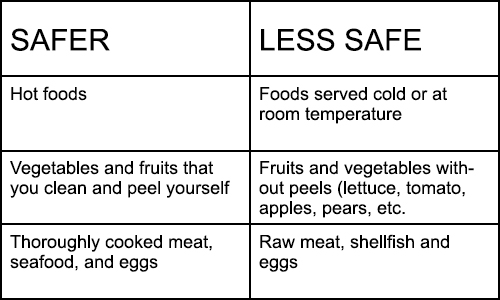
Some common Moroccan dishes are safer than others. Anything served steaming hot is generally safe because the heat will have killed any bacteria that could cause illness.
When choosing a drink, bottled water and canned beverages are best. Avoid ice cubes due to the potential they may have been made with local water.
Tagine (SAFE)

Tagine is a hot mixture of meat and vegetables cooked in a traditional clay pot. It functions similar to a slow-cooker or dutch oven.
The heat helps to kill any potential bacteria making this a safe dish for tourists.
Moroccan Tomato Salad (AVOID)

Typically a side to tagines, Moroccan Tomato Salad usually includes tomatoes, cucumber, red bell pepper, onion, and herbs.
Tomatoes and cucumbers are likely to be washed in local water, so your risk of illness is increased.
Harira (SAFE)

This is a famous soup in Morocco. It is consumed every day during Ramadan to break the fast. It contains lentils, chickpeas, herbs, tomatoes, and more.
This is a very nutrient dense soup, and being a hot soup, your risk of illness is low.
Sellou (AVOID)

Sellou is a dessert in Morocco made from roasted flour mixed with butter, honey, almonds, sesame, and other spices.
The room temperature serving and increased handling of this dish make it a bit riskier for tourists to enjoy.
Harcha (SAFE)
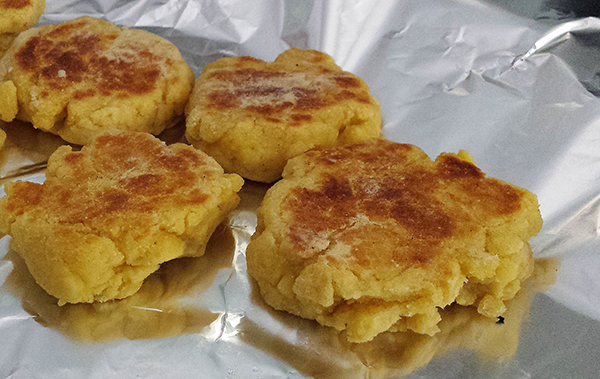
Harcha is a flatbread that is similar to cornbread. It is made from a type of wheat known as semolina. Harcha is served for breakfast, a snack, or with afternoon tea.
Fresh off the griddle, Harcha is a delicious addition to any meal.
Fresh juice (AVOID)

Fresh juice is not usually recommended for tourists in Morocco because the juice can be watered down with local water.
Juice from street vendors can also be more risky depending on how long the juice has been sitting out.
What are the symptoms of a food-borne illness?
The symptoms of typhoid include a high fever, stomach pain, headache, diarrhea or constipation, loss of appetite, and a cough. Occasionally people will also have a rash with flat, red spots. With cholera, relentless watery diarrhea, vomiting, leg cramps, and restlessness are the most common symptoms. Rehydration and antibiotics are the recommended treatment for cholera.
For hepatitis A, yellow skin or eyes, lack of appetite, stomach pain, fever, dark urine, and light-colored stools are symptoms to be aware of. There is no treatment for hepatitis A, so your body has to fight the virus itself. The liver heals in six months or less in the majority of cases.
How to find medical care in Morocco?
Coming down with an illness on vacation is never fun. Away from home, family, and your doctor, it is far from ideal. The U.S. Embassy in Morocco can recommend a doctor that practices more western style medicine.
If you are sick, you do not usually want to fly on a commercial plane. A high fever can increase your risk of blood clots on the plane, you need more fluids than is usually provided, and your illness could be contagious to other passengers. Flight staff can remove you from the plane if you look too sick to fly. You may have to stay in Morocco until you get better, or get an ambulance flight to another country for medical treatment.
Additional steps to prepare for your trip
What else can you do to stay healthy during your travels? Making sure you are up-to-date on your typhoid and hepatitis vaccines is important to prevent health troubles abroad.
These vaccines are available at travel health clinics that specialize in travel medicine. Based on your medical history and prior immunization record, travel health nurses use CDC guidance to make recommendations for your trip. Additionally, United States citizens can register with the STEP program, so the U.S. Embassy in their destination country can contact them in an emergency.
Most of all, enjoy your travels! The unique cultures, customs, and history of Morocco are important to appreciate. With studies showing 15-20% of Moroccans speak English, it is becoming increasingly easier for American tourists to make their way around Morocco.
Away Clinic
480-712-8865


Leave a Reply